Schema Normalization Failures Between EDR and SIEM in Multi-Vendor Stacks
Unmapped field names silently kill detection rules before attackers even arrive.
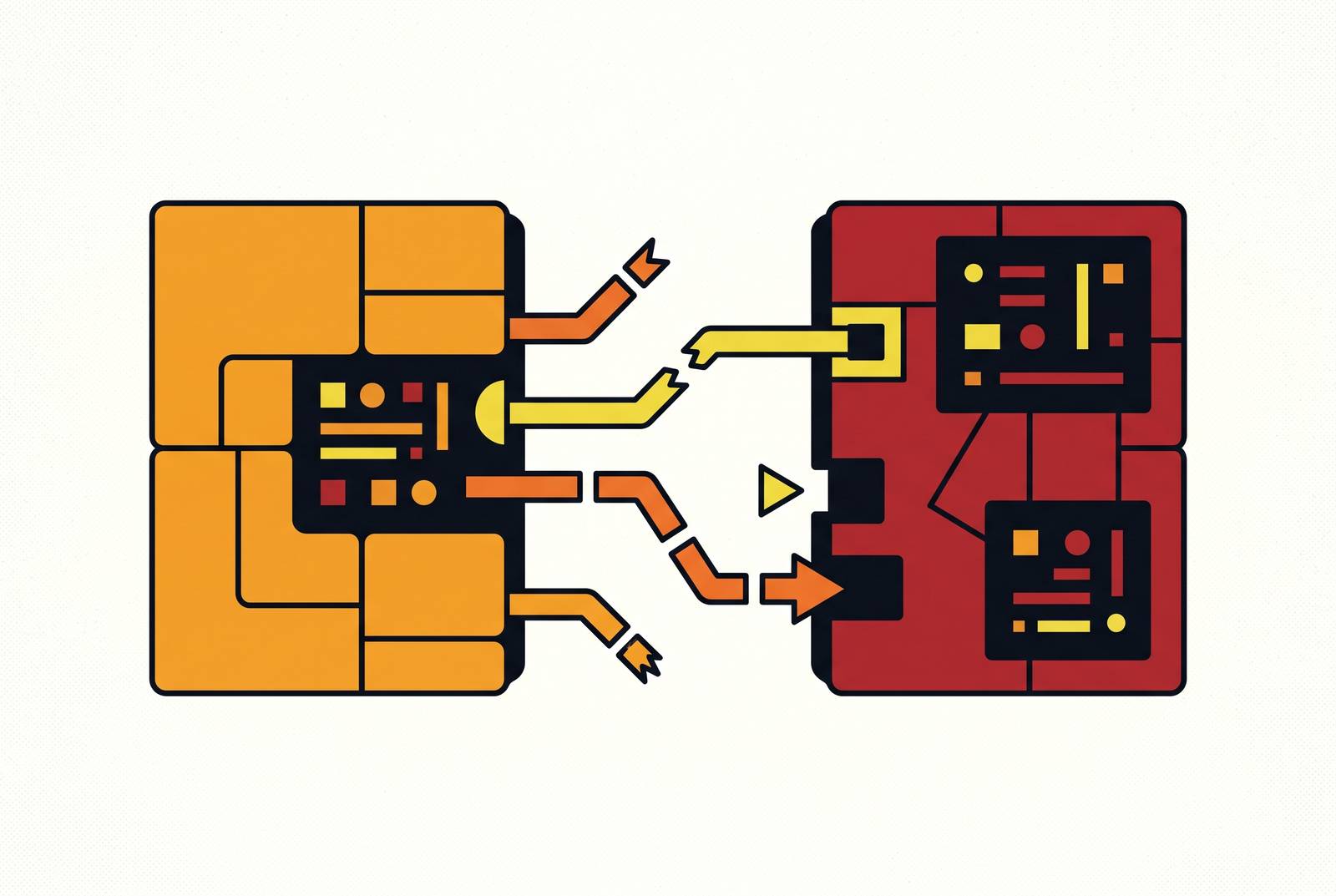
Correlation rules in a SIEM don't understand what happened on a network. They match fields. When a rule expects a value in a field called "src_ip" and the incoming log has that same data sitting under "source_address," the rule doesn't fire, and nothing tells anyone it didn't fire. That gap between what a tool sends and what another tool expects to receive is where most detection failures in multi-vendor security stacks actually live.
Where field names actually diverge across EDR and SIEM vendors
Take one event: a failed login. Walk it through a typical enterprise stack and it comes out looking like five different things.
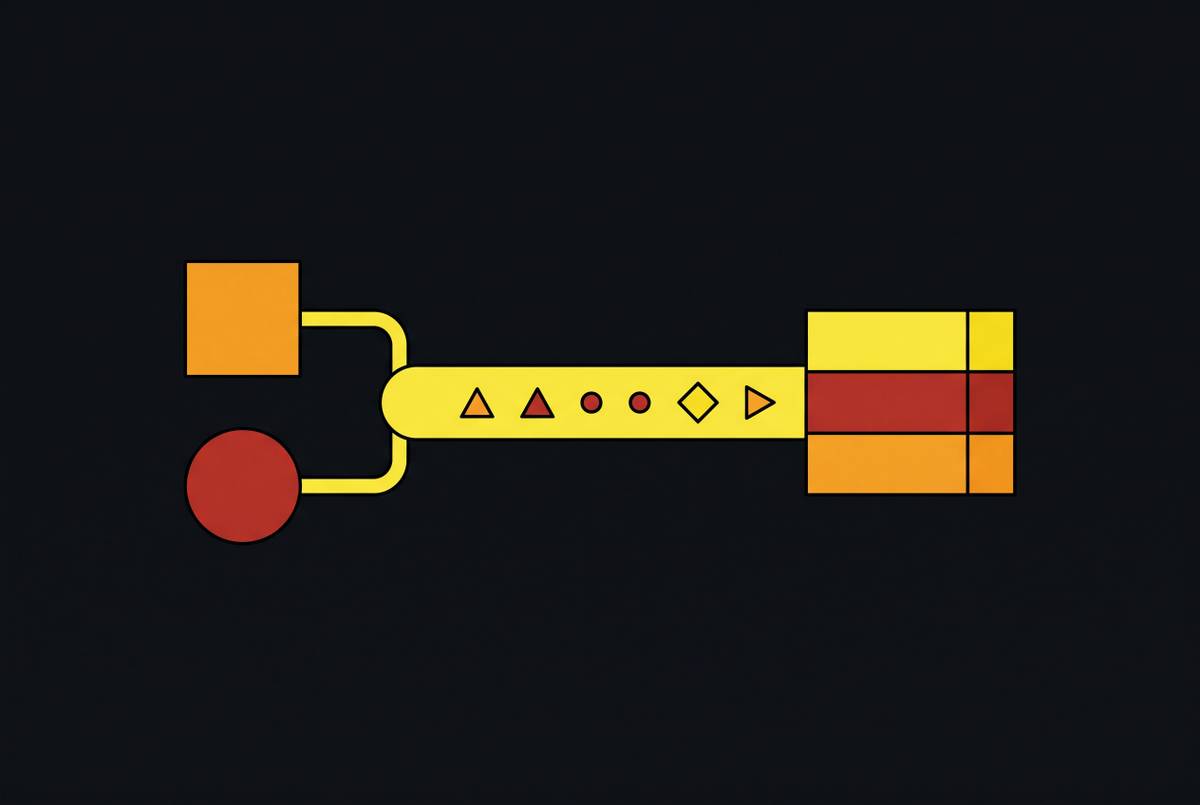
Splunk normalizes it through its own CIM schema. Microsoft Sentinel runs it through ASIM. Google Security Operations, the platform built from what used to be Chronicle, has its own model entirely. Each EDR vendor ships telemetry in its own format, with its own field names for process activity, command-line arguments, and parent-child relationships. Cloud logs add three more dialects: AWS CloudTrail, Azure Activity Logs, and GCP Audit Logs each describe the same action differently. Identity providers can't even agree on what to call the person logging in. Okta calls it a "user." Another platform calls it an "account." Network vendors split the same way: Cisco, Palo Alto, and Fortinet all block traffic, but one logs it as "deny," another as "drop."
This is the common case, not the edge case. src versus src_ip. dst versus dest_ip. The same value, sitting under a different key, depending on which box wrote the log. An analyst who writes a detection query against one naming convention will quietly miss every event from a source that used the other. The query runs. It returns results. It just never sees the half of the picture that didn't match, and there's no error message for that.
Vendors tried to fix this, but only for their own turf. Splunk built CIM. Microsoft built ASIM. Each does the job inside its own walls, mapping every source into one consistent shape. The cost shows up later: every rule, every dashboard, every saved search gets built on top of that one vendor's model, and migrating off the platform means rewriting all of it from scratch. That is a deliberate outcome. That's the lock-in working exactly as designed, a schema that only holds together inside one vendor's fence moves the cost of leaving onto whoever tries to leave.
Even inside a well-built schema, gaps remain. An MFA status flag from an identity provider. A risk score an EDR agent calculates on its own, using its own math. These attributes often have no standard home anywhere. Cybersecurity engineering leaders estimate that 30 to 40 percent of integration engineering time goes toward schema mapping and normalization, not toward the detection logic those integrations are supposed to support.
How normalization failures cascade from missed fields to broken detection chains
The first failure is quiet. A rule targets a field that got renamed, or that never existed in the source data to begin with, and it simply doesn't fire. The endpoint event happened. The SIEM received the data. The detection layer produced nothing, and nothing in the interface says why.
Schema drift makes this worse over time. Vendors update their log formats. Field names shift. A mapping that worked fine last quarter can break the next one without warning, and the rule built on top of it keeps showing up as "active" on the coverage dashboard the whole time. Cloud platforms move faster here than on-prem tools do, changing audit log formats on their own release schedule, and those changes slide into the pipeline without anyone flagging them.
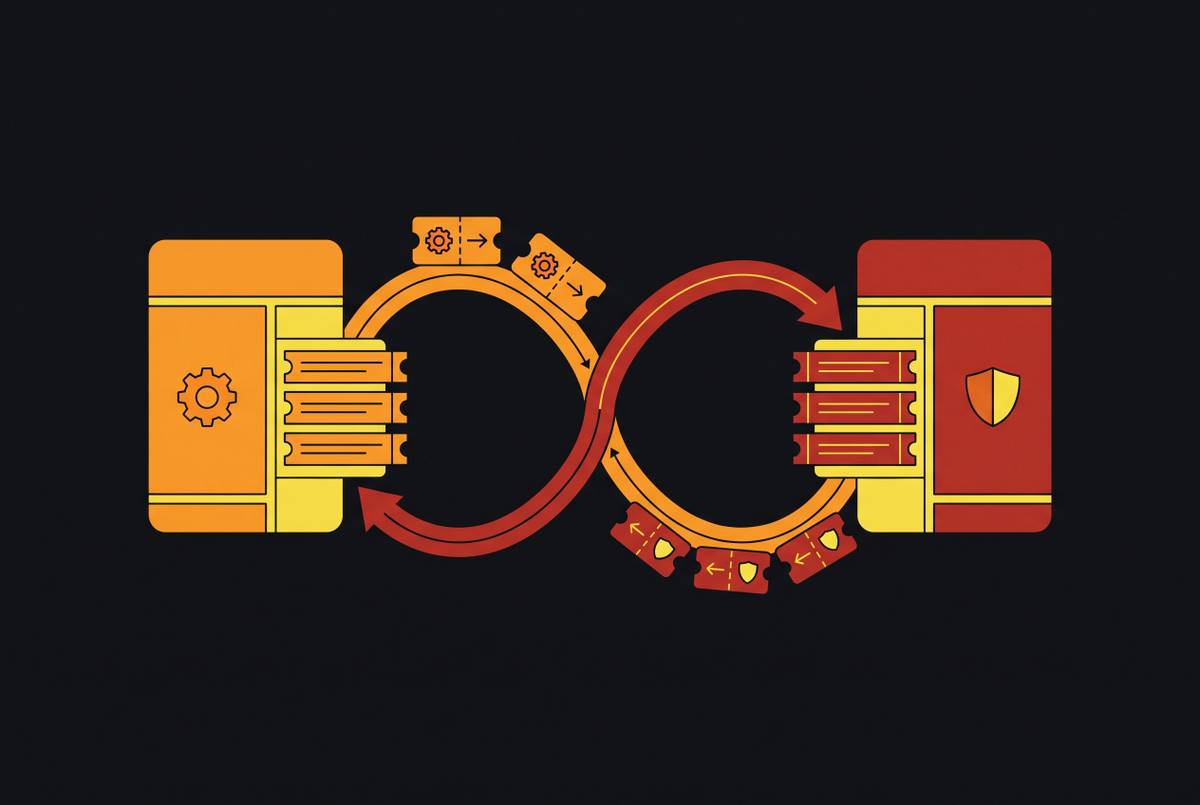
Rule chaining turns one broken mapping into a much bigger problem. Detection logic is rarely a single isolated rule. Most SOC environments string rules together, so a privilege escalation alert depends on a prior signal about a failed login, which depends on a prior signal about an odd session. Break the field mapping feeding the first rule in that chain, and every rule downstream goes dark with it. One bad mapping takes out a whole sequence, not just one alert.
Stale reference data compounds the problem a different way, one that has nothing to do with schemas at all. A "critical_hosts" list that never got updated to include newly provisioned domain controllers leaves those machines unwatched. A "sensitive_users" filter that hasn't caught up with a new executive hire means logins to that account slip past unnoticed. These gaps come from ordinary organizational change, not from some vendor's log format update.
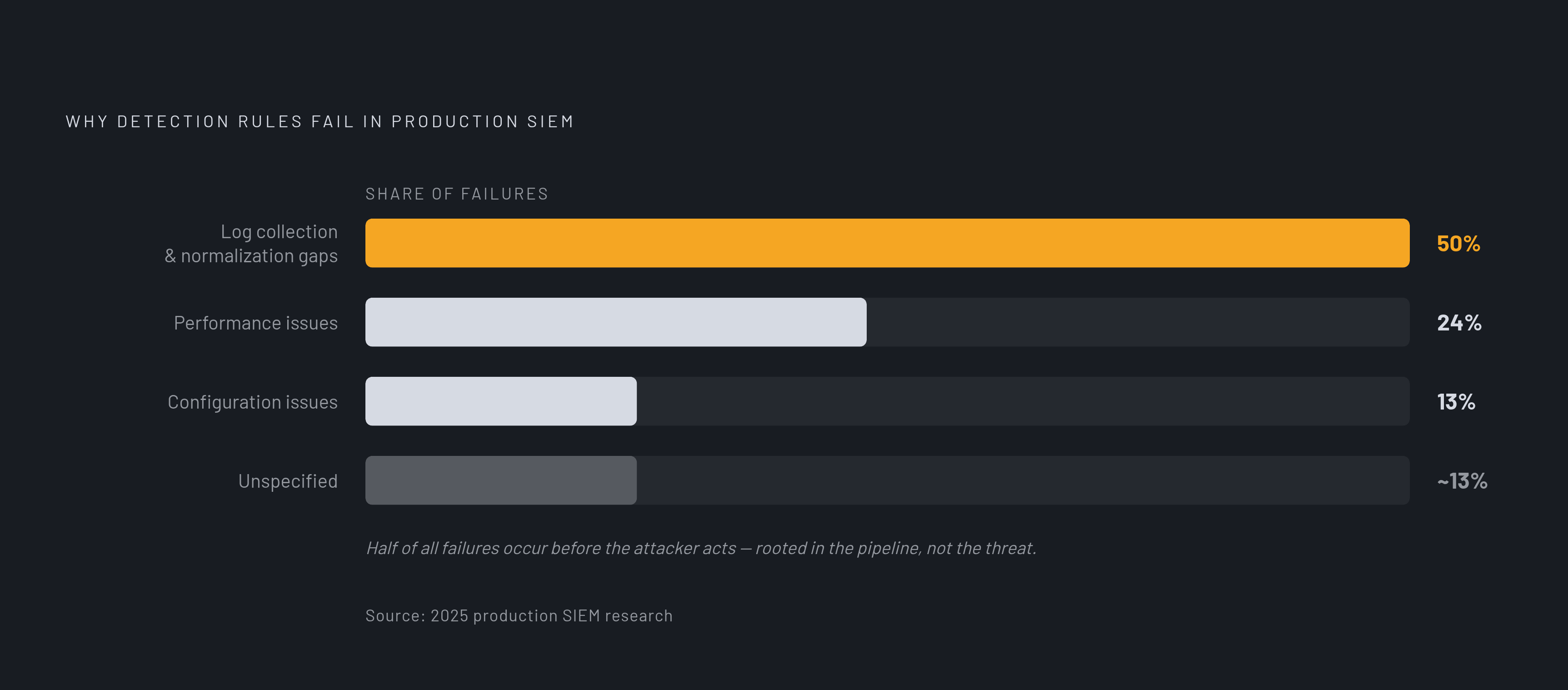
Production SIEM environments studied for 2025 found that half of all detection rule failures traced back to problems with log collection itself. Another 13 percent came from configuration issues: bad thresholds, poorly defined reference sets, sloppy correlation logic. Performance problems accounted for 24 percent more. Add it up, and most detection gaps in a working SOC exist before an attacker does anything at all. The attacker doesn't need to be clever. They just need to walk through the seam between two tools whose schemas never quite lined up.
What the analyst experiences when the detection layer is partially blind
Analysts feel this as manual labor, not as some abstract architecture problem. Working across a multi-vendor stack, an analyst can spend 10 to 15 hours a week pivoting between consoles that don't share a data model, translating user_name to userid to account_identifier by hand, one tab at a time.
Volume makes it worse. Around 70 percent of SOC teams admit they deprioritize critical alerts simply because there are too many to work through. So even the alerts that fire correctly, that survived normalization and made it into the queue, aren't guaranteed a look. Analyst tenure runs around 18 months on average before burnout drives someone out, and the grinding, repetitive work of manual field translation feeds that churn directly.
Organizations with no dedicated security team feel this differently, and worse. A founder, an IT generalist, an ops lead managing security tooling as one job among five, has no analyst doing manual correlation in the background to catch what automation missed. The gap in the detection layer just stays invisible, because nobody's job is to notice it.
The dashboard doesn't help either. Rules show up as configured and active. The platform reports healthy status. Nothing in that view says a normalization failure has quietly turned a working-looking rule into dead weight.
Running two EDR vendors at once, a trend that picked up noticeably after a major vendor-caused operational disruption in July 2024, adds a second normalization layer on top of the first. Research published by Palo Alto Networks found 85 percent of surveyed organizations are now deliberately running a secondary endpoint vendor, and 65 percent credit that approach with real resilience gains. Fair enough. But each added vendor means another telemetry format landing in the same SIEM, and the schema complexity that comes with it lands squarely on whoever owns the detection pipeline.
Why OCSF exists, what it actually specifies, and where its adoption stands
An open cybersecurity schema effort launched in August 2022, started by AWS and Splunk, with Broadcom donating its Symantec ICD schema as a foundation. Seventeen companies signed on at launch. The project has since grown past 900 contributors and 200 participating organizations, and in November 2024 it joined the Linux Foundation, a clear sign it moved from vendor project to real industry infrastructure.
The current release, version 1.4.0 from January 2025, covers cloud resource inventory, vulnerability findings, remediation activity, and threat intelligence enrichment.
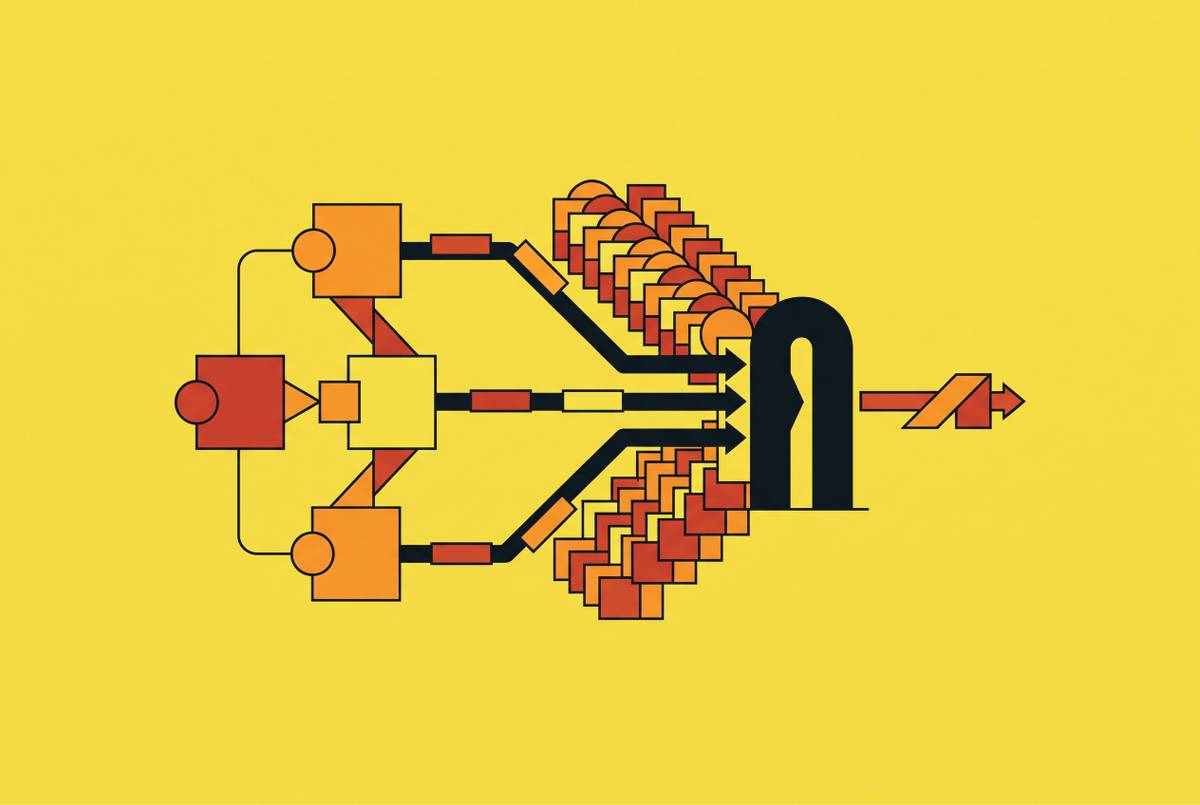
What OCSF actually specifies comes down to a few pieces. Event classes are templates: an authentication event carries the same fields no matter which tool generated it. The attribute dictionary defines every possible field, its data type, and its valid values, so "outcome" always resolves to something like success, failure, or unknown, never a dozen vendor-specific strings meaning the same thing. A taxonomy organizes all of it in a hierarchy across eight categories, spanning system activity, network activity, findings, and more.
Adoption among major players is real. AWS, Splunk, IBM, Cisco, Palo Alto Networks, Okta, Datadog, SentinelOne, and Rapid7 have all built support for it. AWS Security Lake uses OCSF as its native format.
Even so, the unmapped field problem doesn't disappear, it just gets a name. OCSF defines an "unmapped" catch-all container for source data that doesn't fit any standard attribute, and that's exactly where proprietary risk scores and vendor-specific MFA flags end up. A static schema, however well-governed, can't fully keep pace with telemetry that keeps changing underneath it.
Adopting OCSF isn't free either. Organizations report spending two to four months on a full rollout: mapping existing sources, rewriting detection rules, retraining analysts on new field names. And adoption isn't even across the industry. Some vendors have little reason to support a shared schema, especially the ones who benefit from being the aggregator everyone else has to map their data into. OCSF normalization usually happens in the pipeline layer, between the source and the SIEM, not inside the SIEM itself, so organizations adopting it take on a whole separate piece of infrastructure to build and maintain.
Why the multi-vendor stack architecture is what makes normalization intractable at the pipeline level
Pipeline-level normalization is never a finished project, and treating it like one is the mistake that keeps eating engineering time. Every vendor log-format update is a potential regression. Every new tool added to the stack means a new mapping exercise, done from scratch. Schema drift is an ongoing problem, not something fixed with a one-time patch. It's the steady-state condition of running a security stack built from independently evolving vendors, each shipping changes on its own clock, with nobody required to tell anyone else.
The industry's move toward treating the SIEM as a query layer, separate from raw telemetry storage, only raises the stakes. That architecture needs a schema that holds up consistently across storage tiers, or the data lake underneath it turns into a pile of records that can't be queried alongside live SIEM data.
AI-driven detection depends on this even more directly. A machine learning model can't correlate an authentication failure with a network anomaly if the two events describe the same concept using field names that don't match. Every AI feature a SIEM vendor markets is only as good as the normalization sitting underneath it, and across sources that were never mapped to a shared schema, that feature simply doesn't apply. Vendors selling automated detection on top of unmapped, multi-vendor telemetry are selling something that can't do the one thing they claim it does.
And the lock-in from proprietary schemas keeps compounding. Once detection logic gets built around one vendor's data model, switching vendors means rewriting every parser, every rule, every dashboard that touches it. At some point the cost of switching outweighs the cost of staying, even once the incumbent tool stops being the right fit for the job.
None of this scales in a friendly way. Each new vendor, a secondary EDR, another cloud provider, a new identity platform, adds one more set of field mappings to build, test, and maintain going forward. That 30 to 40 percent of engineering time Synqly's customers report spending on normalization isn't a cost paid once and closed out. It comes back every time a vendor changes a schema, every time the stack grows by one more tool.
What consolidating the tools that generate and consume telemetry actually changes
The root problem sits beyond any single product's bugs. The tool generating an event and the tool reading it get built by two separate companies with no shared agreement about what a field should even be called. Consolidation goes after that root cause directly, instead of patching around the symptom with yet another mapping layer.
When endpoint management, detection, identity, and compliance telemetry all flow through one platform, the schema gets defined once and applied the same way everywhere. There's no translation step sitting between the event source and the detection logic reading it.
That changes what happens when a vendor updates a log format, too. The update and the correlation rule reading that data now live under the same roof, run by the same team, so a schema change doesn't quietly orphan a rule three layers downstream. The coverage dashboard stops lying by omission. A gap that shows up there reflects an actual gap in security posture, not a rule that's technically "active" while sitting dead from a broken field mapping.
For organizations with no dedicated security team, this matters in a plain, practical way. Nobody's around to write custom parsers, audit field mappings across five tools, or figure out why a rule stopped firing three weeks ago. A consolidated platform takes that maintenance burden off the table, rather than asking a generalist to somehow carry it on top of everything else already on their plate.
The broader pattern bears this out on the detection side: the normalization overhead that comes with siloed tools directly undercuts the alert fidelity and coordinated response that a unified data model is designed to preserve. Deployment speed follows the same pattern. A platform built for integration from day one goes live faster than a stack that needs months of professional services just to get the data normalized before detection can even start.
None of this means giving up vendor diversity outright. It means whatever tools generate, ingest, and correlate security telemetry need to actually agree on a data model, whether that agreement comes from running one integrated platform or from a pipeline that enforces a shared schema, like OCSF, as the price of admission for any tool joining the stack. Pick one of those two paths and commit to it. Splitting the difference, a bit of consolidation here, a partial OCSF rollout there, just leaves another seam for the next incident to slip through.